Multi-temperature refrigerated truck bodies

Multi-temperature refrigerated truck bodies, engineered zone by zone

Two or three sealed, independently controlled temperature zones in one insulated body — built around your load plan, your routes, and your setpoints.

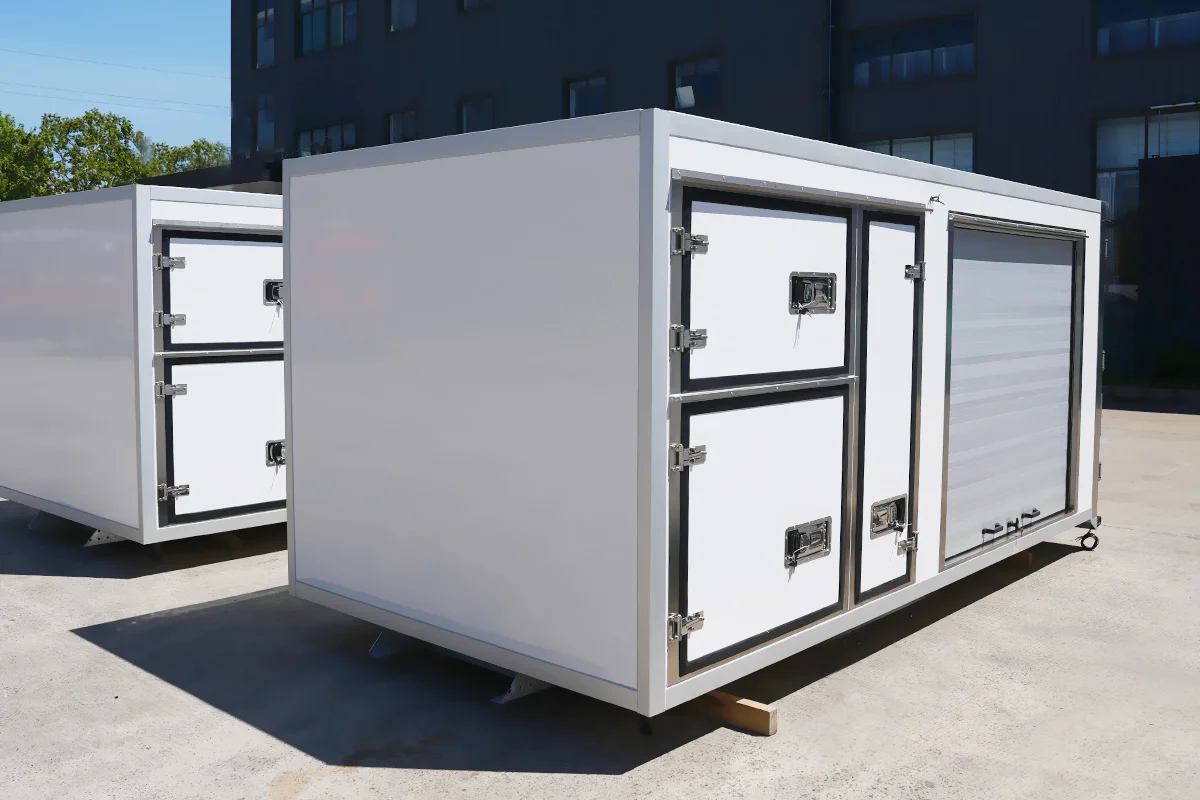
Multi-temperature zone refrigerated truck body with separate insulated compartments
Zoned body with sealed insulated bulkheads in place — frozen, chilled, and mid-range compartments on one chassis.
2–3 Zones per body Independent setpoints inside one insulated cargo space Standard build
−20 °F – 65 °F Zone setpoint range Frozen, deep-chill, chilled, and mid-range bands Stated per build
6–9 wks Production lead time Order confirmation to shipment on full bodies Full bodies
8 yrs Parts availability Panels, doors, hardware, and gaskets to original drawings Minimum
Why one body

One body. Several setpoints. One route instead of three.

A single-temperature body forces a fleet to run a second truck whenever a stop receives both frozen and chilled product. A VarioCold zoned body carries the whole order, holds each category inside its band, and keeps the second vehicle on a route that actually needs it.

  • Sealed insulated bulkheads separate each zone from roof to floor, so opening the frozen door does not pull heat through the chilled compartment.
  • Every zone runs its own evaporator, airflow path, and digital setpoint, designed from the delivery profile rather than a catalog page.
  • Zone count, zone volumes, door layout, and floor type are fixed at the layout stage, before a single panel is cut.
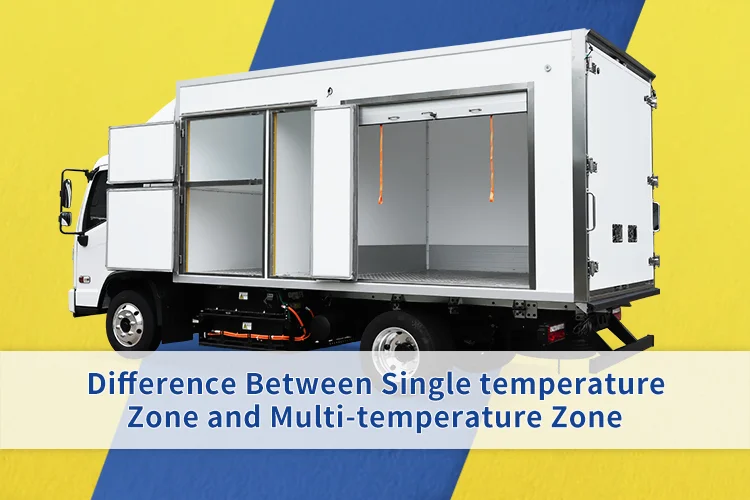
Comparison between a single-temperature zone body and a multi-temperature zone body
Single-temperature space compared with a divided multi-temperature space: the same cargo length, a different number of usable setpoints.
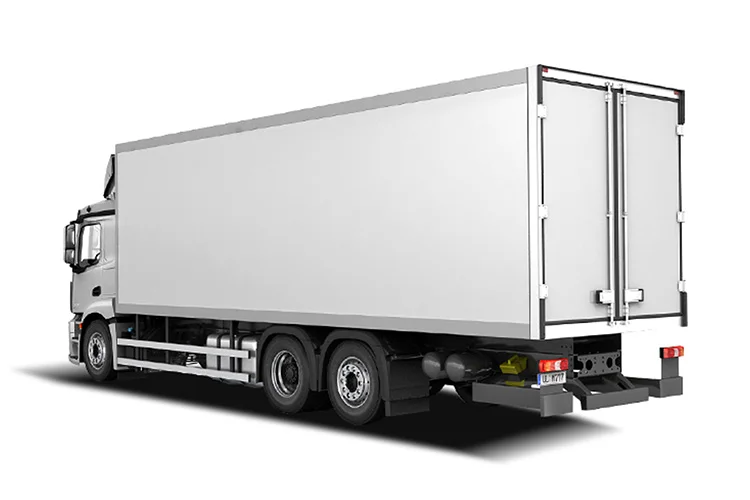
Dry freight van without temperature control
Where a dry freight van carries one condition for the whole load, a zoned body gives each stop the band its product requires.
Service overview

What we build

Two core programs, backed by the partition, retrofit, parts, and service work that keeps a fleet running.

Flagship program

Multi-Temperature Refrigerated Truck Bodies

A complete insulated truck body divided into two or three independent temperature zones. Each zone gets its own evaporator, airflow path, sealed insulated bulkhead, and digital setpoint, so frozen, chilled, and ambient freight travel together without cross-zone drift.

  • One truck replaces the two or three vehicles a mixed order used to require.
  • Zone separation holds through repeated multi-stop door openings.
  • Delivered as a route-ready unit built to the specified chassis.
Lead time 6–9 weeks · Planning ranges from $24,000 per body

Core program

Slip-In & Bolt-On Refrigerated Body Kits

Pre-engineered refrigerated bodies sized for common light- and medium-duty chassis. Panels ship flat with pre-terminated wiring harnesses, door hardware, and a step-by-step assembly guide, so a local shop can complete the build.

  • Lower entry cost and a shorter lead time than a full custom build.
  • Vehicle returns to service days after the kit lands.
  • No welding line or dedicated body plant required for assembly.

Lead time 3–5 weeks · Flat-shipped panel kit

How it works

From load plan to verified handover

Every build follows the same four stages, and the same named project contact stays with the order from the first drawing to the first service visit.

  1. Step 01

    Load plan review

    We collect chassis details, zone requirements, product mix, and route profile, then confirm what we received and what is still missing.

  2. Step 02

    Zone layout design

    Engineering produces a zone map with volumes, a door and access layout, an airflow plan, and a setpoint schedule matched to the product mix.

  3. Step 03

    Production and integration

    Panels, bulkheads, doors, and floor assemblies are produced and assembled with sealed joints, then evaporators, ducting, and setpoints are configured zone by zone.

  4. Step 04

    Verification and handover

    A setpoint verification run is completed, the printed per-zone record is issued, and the zone map and sealing guide are handed over with the body.

Verification

Engineered to be verified, not assumed

Every body ships with a zone map, a setpoint schedule, and a printed per-zone verification record. Performance is stated in writing at the ambient condition it is rated for.

  • Written zone performance. Zone count, zone volumes, target setpoints, and the rated ambient condition appear on the order confirmation.
  • Pre-delivery verification. No body ships without a setpoint verification run and a printed zone record that travels with the vehicle.
  • Documented handover. A zone map, setpoint schedule, and sealing and service guide are written for that specific build.
  • Sealing warranty. Bulkhead and door sealing failures caused by workmanship are repaired at no charge within the structural warranty period.
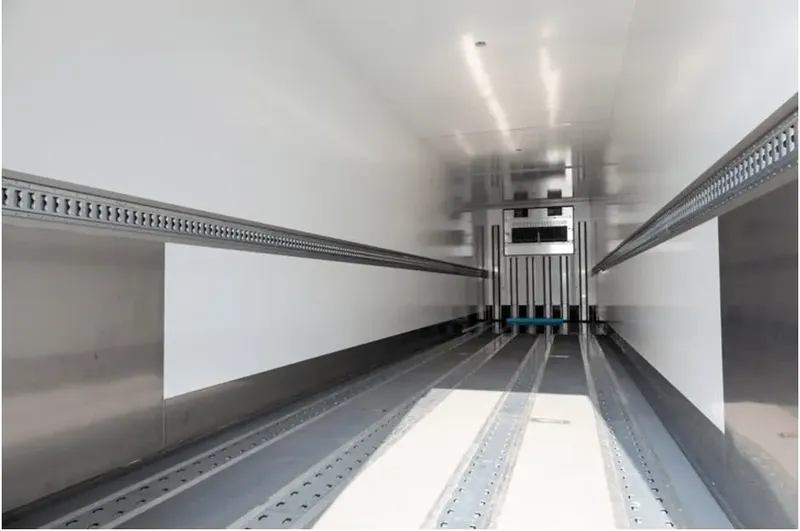
Interior of a refrigerated truck body with rails and ribbed aluminum floor
Interior fittings, rail positions, and ribbed aluminum floor are set from the load plan so each zone is loaded the way it was designed.
Who we build for

Fleets that deliver more than one temperature category

Food & Grocery Distribution

Mixed frozen, chilled, and shelf-stable cases delivered to each stop.

Typical 3 zones

Foodservice & Restaurant Supply

High-frequency routes with narrow windows and weekly order changes.

Typical 2–3 zones

Dairy, Beverage & Fresh Produce

Product that must arrive cold but must never freeze.

Typical 2 zones

Pharmaceutical & Medical Distribution

Regulated freight needing a documented per-zone temperature history.

Typical 2–3 zones

Floral & Specialty Perishables

Mid-range product damaged by cold as easily as by heat.

Typical 2 zones

From the field

What changes after the first zoned body

“Two trucks were running the same route every morning. One zoned body took the frozen and chilled cases together and we shelved the second run inside a month.”

Fleet manager, regional grocery distribution

“The removable bulkhead was the deciding factor. Our order mix changes with the season and we can move the split without sending the truck back to a shop.”

Operations director, foodservice supplier

“We get a per-zone record with every delivery now. That single document removed most of the questions we used to field from auditors.”

Transport supervisor, pharmaceutical distributor

“Our product was being frozen by bodies set for meat and dairy. A mid-range zone stopped the damage in the first week.”

Owner, floral wholesale business

Tell us the load plan. We will design the zones.

Send your chassis details, zone requirements, and route profile. A project contact confirms fit and returns a written quotation with a firm price and lead time.

Request a Quote